Tracking Progression Patterns in Complimentary Roulette Mobile Applications and Key Monetization Points
Complimentary roulette applications on mobile platforms attract millions of users each month, and researchers have documented distinct sequences in how participants move from initial free spins to deeper involvement. Data from industry reports shows that most users begin with limited chip allocations and tutorial sequences that introduce basic betting mechanics, yet many advance through repeated sessions by unlocking higher table limits or themed variants.
Early Engagement and Habit Formation
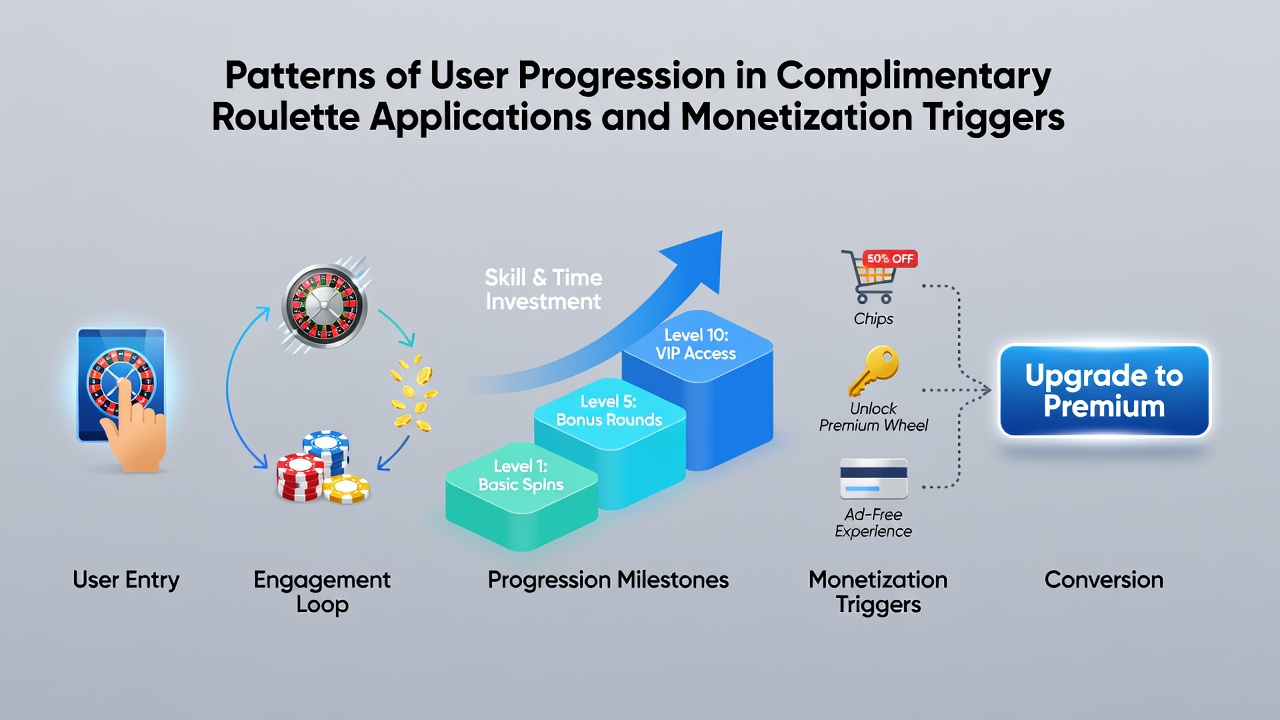
Users typically start with registration that grants starter credits, and studies indicate this phase lasts between three and seven sessions for the majority of participants before any additional actions occur. During these early interactions, individuals experiment with outside bets such as red or black while the software records frequency of play and session length, patterns that later inform personalized prompts. Observers note that completion of daily login rewards correlates strongly with continued activity, and applications often schedule these incentives to align with peak evening hours across different time zones.
Progression accelerates once players accumulate enough virtual currency to access mid-stakes tables, where multipliers appear more frequently, and developers track these milestones through embedded analytics that flag when users reach specific chip thresholds. One study revealed that players who hit the 5,000-credit mark within the first week demonstrate a 40 percent higher likelihood of returning the following month compared with those who remain below that level.
Behavioral Sequences Leading to Paid Features
Monetization triggers emerge at predictable points along the user journey, and figures from mobile gaming analyses confirm that the first purchase prompt usually surfaces after a player exhausts starter chips during a losing streak or after winning a modest streak that raises expectations. Applications deploy these offers through pop-up menus that highlight limited-time chip bundles, and data shows conversion rates climb when the prompt references the exact amount needed to re-enter a favored table variant.
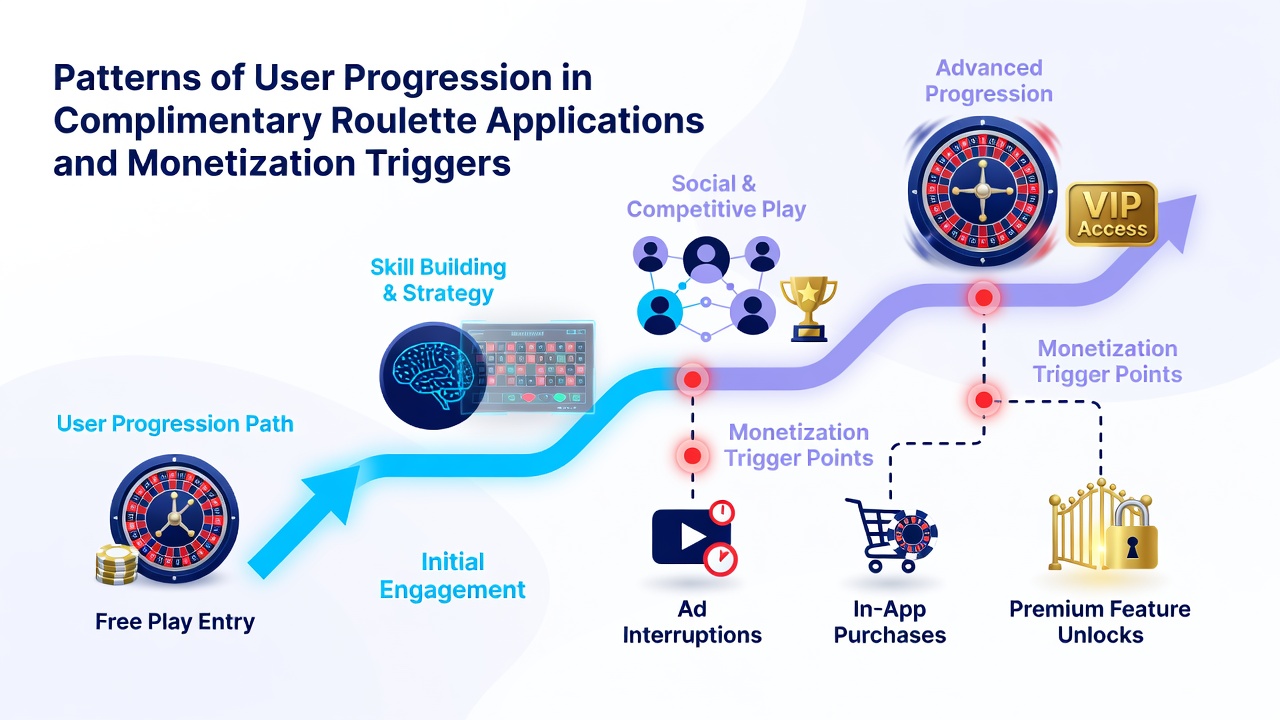
Researchers have observed that social features such as leaderboards and friend challenges often precede the first real-money deposit, since visible progress of other participants creates comparative pressure that encourages spending. In regulated markets, operators integrate these elements while maintaining compliance with local advertising rules, and August 2026 saw several platforms adjust their notification timing to coincide with new regulatory guidelines issued in multiple jurisdictions.
Variant Selection and Spending Thresholds
Choice of roulette variant influences spending velocity, and evidence from platform telemetry indicates that players who migrate from standard wheels to multiplier-enhanced versions spend an average of 2.3 times more within the same number of sessions. Those who experiment with live-dealer integrations within complimentary environments frequently transition faster because the social component and real-time pacing mirror paid experiences more closely. Applications record these shifts through heat maps that highlight which rooms retain users longest before prompting upgrades.
Geographic differences appear in progression speed as well, with users in regions that permit direct carrier billing converting at higher rates than those limited to credit-card entry points. Reports compiled by the American Gaming Association detail how these regional patterns affect overall revenue forecasts for free-to-play operators expanding into new territories.
Data Patterns Across Large User Cohorts
Large-scale datasets reveal that the median user reaches a monetization trigger after approximately 14 sessions, although a smaller subset converts within the first five interactions when early wins create immediate demand for continued play. Retention curves flatten after the 30-day mark for non-paying participants, while those who complete at least one purchase maintain activity for an additional 60 days on average according to aggregated figures from multiple app stores.
Seasonal events and limited-time tournaments accelerate these timelines, and operators adjust prize structures each August to align with back-to-school and end-of-summer periods that historically show increased mobile engagement. External research from the National Council on Problem Gambling has examined how transparent spending disclosures at these moments affect long-term user behavior across complimentary platforms.
Conclusion
Patterns of progression in complimentary roulette applications follow measurable sequences that operators monitor through detailed telemetry, and monetization triggers activate most reliably when users encounter chip shortages at familiar table limits or when social comparisons highlight available upgrades. Continued collection of session data through 2026 and beyond will refine these models, allowing platforms to align incentives with observed user pathways while operating within existing regulatory frameworks across different markets.