Virginia Governor Spanberger Vetoes Skill Games Legalization and Fairfax Casino Bills in Back-to-Back Moves

The Vetoes Unfold in Early April 2026
Virginia Governor Abigail Spanberger took decisive action against two major gambling expansion proposals, vetoing Senate Bill 661 on Friday, April 10, 2026, and Senate Bill 756 the day before on Thursday, April 9; these moves came amid ongoing debates over how best to regulate the state's growing gambling landscape, where skill games machines have proliferated in gray areas and casino developments spark local tensions. Senate Bill 661 aimed to legalize up to 25,000 skill games machines under the oversight of the Virginia Lottery Board, while Senate Bill 756 pushed forward plans for a new casino resort in Fairfax County without requiring local support or a referendum vote. According to reports from Gambling Insider, the governor's office highlighted fragmented oversight as a core issue, pointing out how such bills could complicate enforcement and open doors to illicit activities.
What's interesting here is the timing; lawmakers wrapped up their session earlier, but the General Assembly reconvenes on April 22, 2026, giving supporters a window to attempt veto overrides, a process that requires a two-thirds majority in both chambers and has succeeded in Virginia just a handful of times in recent years. Observers note that skill games, those electronic machines resembling slots but often defended as skill-based because of mini-games embedded within, have become fixtures at gas stations, truck stops, and convenience stores across the commonwealth, generating millions in unreported revenue while dodging full casino regulations.
Unpacking Senate Bill 661: The Skill Games Push
Senate Bill 661 represented a bold step toward formalizing Virginia's skill games market, which has operated in legal limbo since machines first appeared around 2017; proponents argued the bill would cap machines at 25,000 statewide, impose a 15% tax on gross gaming revenues directed to water quality programs, and place regulation squarely with the Virginia Lottery, an agency already handling lotteries and sports betting. But here's the thing: these machines, typically offering card-matching or pattern puzzles atop slot-like spins, payout cash prizes that can reach thousands, blurring lines between amusement and gambling in ways that courts have debated for years.
Data from the Virginia Department of Agriculture and Consumer Services reveals operators placed thousands of these devices before crackdowns began in 2023, with seizures totaling over 1,000 machines in raids across multiple counties; yet enforcement proved spotty because operators claimed the skill element exempted them from slot machine bans under state law. Take one case in Henrico County where authorities shut down a network generating $500,000 monthly, or another in Chesapeake where players reported addictive pulls despite the "skill" facade. The bill's backers, including truck stop owners and some rural legislators, insisted regulation would clean up the industry, channeling funds to education and infrastructure while curbing illegal operations tied to organized crime.
That said, critics within the General Assembly worried about saturation; Virginia already permits five commercial casinos in cities like Norfolk, Portsmouth, and Danville, plus a tribal casino in Emporia, so adding 25,000 machines could flood low-income areas with temptation, especially since studies from the American Gaming Association show gambling addiction rates climb 20-30% near new outlets.
Senate Bill 756: Fairfax County's Controversial Casino Bid
Shifting gears to Senate Bill 756, this legislation sought to greenlight a casino resort in Fairfax County, one of Virginia's wealthiest and most populous areas, without the usual local referendum that has sunk similar proposals elsewhere; developers eyed a site near the Capital Beltway, promising 1,500 hotel rooms, convention space, and thousands of jobs, with projected tax revenues topping $300 million annually funneled to state coffers. Fairfax leaders, however, opposed it fiercely, citing traffic nightmares on already congested roads and concerns over problem gambling in a suburb home to federal workers and families.
People who've followed Virginia's casino rollout know the pattern; voters approved casinos in Bristol, Danville, Norfolk, Portsmouth, and Richmond via referendums between 2020 and 2022, but Richmond's project stalled amid lawsuits and community pushback, leaving four operational sites that generated $638 million in gaming taxes last fiscal year according to the Virginia Lottery. Fairfax's bill bypassed that democratic step, relying instead on legislative fiat, which drew fire from county supervisors who argued it ignored the 2022 local vote where residents rejected a similar plan by 57%.
Turns out, the proposal echoed failed efforts in Northern Virginia before, like a 2023 push for a Prince William County casino that never advanced; supporters highlighted economic boosts, with one study commissioned by developers estimating 4,000 construction jobs and $50 million in yearly local taxes, yet opponents countered with data showing casinos often underdeliver on promises while straining public services.
Governor Spanberger's Stated Concerns and Vision for Reform
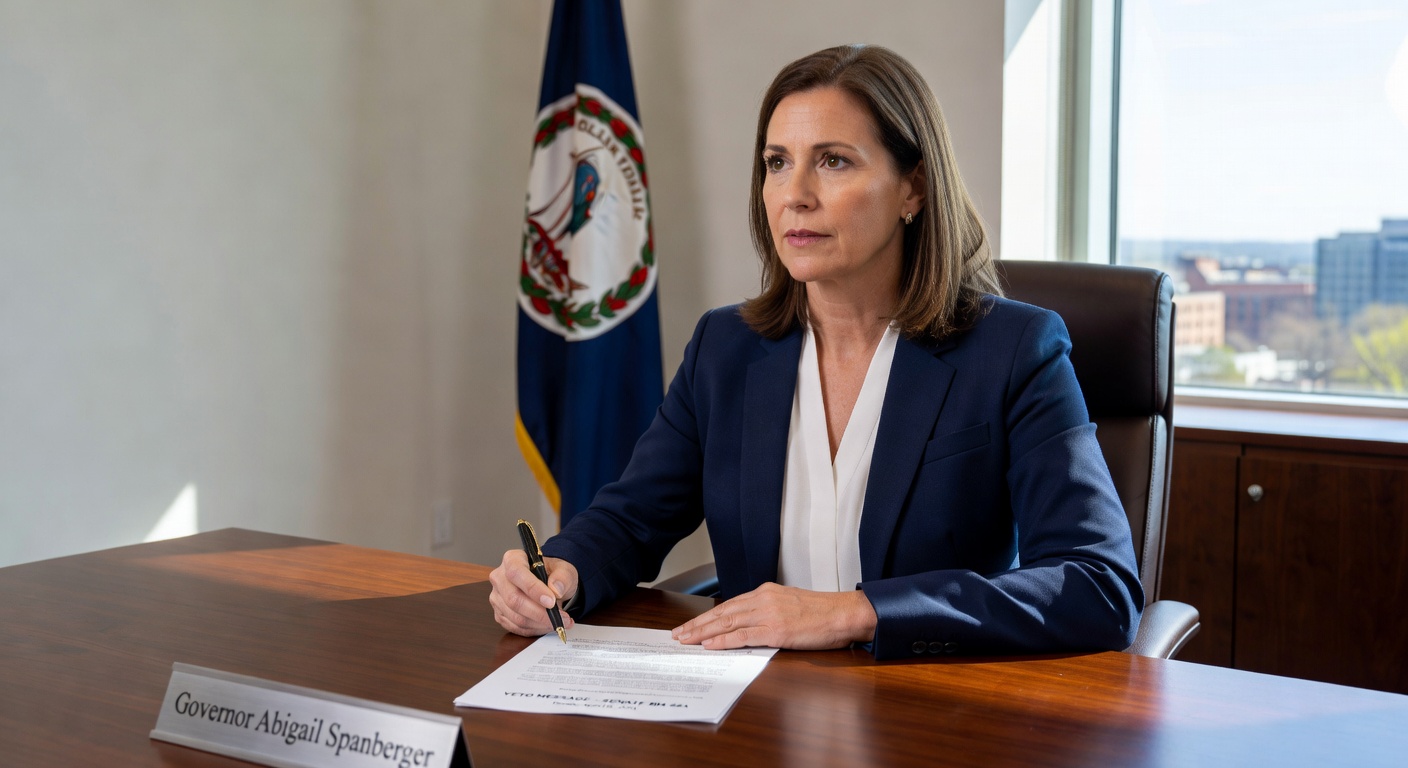
In her veto messages, Governor Spanberger emphasized consumer protection above all, warning that piecemeal bills like these create oversight gaps where bad actors thrive; she pointed to skill games' history of money laundering allegations, with federal probes uncovering ties to Asian organized crime syndicates in 2024 raids that netted $10 million in Virginia alone. Disproportionate impacts on low-income communities stood out too, as figures from the Virginia Council on Problem Gambling indicate 60% of skill game players come from households earning under $50,000, far higher than casino demographics.
The reality is, Virginia's gambling framework remains patchwork; the Lottery oversees sports betting and fantasy contests, the Department of Alcoholic Beverage Control handles horse racing, and the newly formed Gaming Commission regulates casinos, so Spanberger called for a centralized authority to unify rules, audit machines, and enforce age checks universally. Experts who've studied multi-state models, like Pennsylvania's unified gaming board, note such systems cut illicit activity by 40% within two years while boosting legitimate revenues.
Now, with vetoes in hand, the governor urged lawmakers to prioritize comprehensive reform over quick fixes, a stance echoing her 2025 budget where she proposed $5 million for a gambling study commission; those who've tracked her record see consistency, as she signed sports betting into law in 2020 but vetoed a 2024 bill expanding it to stadiums without safeguards.
Path Forward: Override Attempts and Broader Context
As the General Assembly reconvenes April 22, 2026, bill sponsors like Sen. Saddam Salim for SB 661 and Del. Paul Saper for SB 756 signal intent to rally votes for overrides; success hinges on bipartisan coalitions, since Democrats hold slim majorities but gambling crosses party lines in revenue-hungry states. Virginia's gambling haul hit $2.8 billion in gross gaming revenue last year, per Lottery data, funding schools and roads, yet addiction helpline calls surged 25% post-casino openings.
It's noteworthy that skill games operators, through groups like the Coalition for Skillful Gaming, poured $2.5 million into 2025 campaigns, backing pro-legalization candidates; meanwhile, casino giants like Caesars Entertainment, operators of temporary Danville facilities, lobby against unregulated competition that undercuts their taxed slots. One study from the University of Virginia revealed skill machines average 92% payout rates, higher than casinos' 85-90%, drawing players who skip regulated venues.
But overrides aren't guaranteed; past attempts failed on bills like a 2023 horse racing expansion, where governors' vetoes held because supermajorities proved elusive amid public scrutiny.
Conclusion
These vetoes mark a pivotal moment in Virginia's gambling evolution, stalling skill games legalization and a Fairfax mega-resort while spotlighting the need for streamlined regulation; as lawmakers reconvene in late April 2026, the battle over SB 661 and SB 756 underscores tensions between economic lures and safeguards, with centralized oversight emerging as the likely path forward. Observers watch closely, knowing the outcome could reshape a market already worth billions, balancing revenue gains against community costs in ways that define the commonwealth's approach for years to come.